

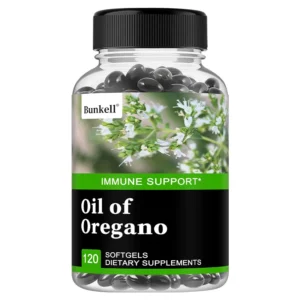
Oil of Oregano 600 mg
Oregano oil is known to be a powerful natural antibiotic and offers several benefits to the body.

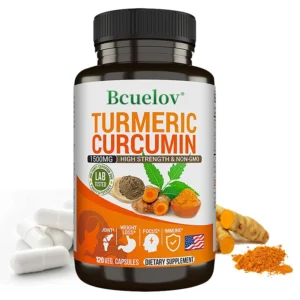
Turmeric Curcumin
It is one of the most powerful spices for health, widely used as a natural anti-inflammatory.

Bee Propolis
Propolis is one of the most complete natural remedies for strengthening the immune system and fighting infections.
Effective natural treatments for your health.
Make your choice and start your natural health care routine today.









Natural Herbs: Which Natural Herbs Are Essential for Our Health, and How to Use Them
I still remember the exact period when I began wondering what are natural herbs and why so many people trusted them for health. At that time, I felt exhausted from complicated wellness advice, expensive products, and solutions that promised quick results but rarely delivered lasting change. Therefore, I decided to slow down and explore more natural alternatives. As I started reading books, articles, and traditional practices, I discovered that natural herbs include leaves, roots, flowers, seeds, and stems that people use for nutrition, prevention, and gentle healing. In other words, natural herbs come directly from plants that grow in nature, and because they contain vitamins, minerals, and protective compounds, they support the body gradually instead of aggressively.
Soon afterward, I realized that herbs influence much more than physical health. For example, some herbs calm the nervous system, while others stimulate digestion or strengthen immunity. Furthermore, I learned that ancient cultures across Asia, Europe, Africa, and the Americas relied on herbs long before modern medicine existed. Because of that historical trust, I felt encouraged to try them myself. As I introduced simple herbs into my meals and drinks, I noticed subtle but real changes. My digestion improved, my sleep felt deeper, and my daily energy became more stable. Consequently, I understood that natural herbs do not act like instant medicine; instead, they build health steadily through consistent use.
Since that discovery, herbs have become part of my daily awareness. Now, whenever I prepare food, shop at markets, or even choose a tea before bed, I consider how herbs can support my wellbeing. Additionally, I realized that anyone can begin this journey without needing expert knowledge. Starting with a few common herbs already creates noticeable benefits. Because of this experience, I decided to share my story while typing this text, hoping other people can understand natural herbs more clearly and feel confident exploring them.
What Are the Types of Natural Herbs?
As my curiosity grew, I naturally started asking, what are the types of natural herbs? After deeper research, I found that herbs usually fall into practical categories based on how people use them. First, culinary herbs represent the most familiar group. These include basil, parsley, cilantro, rosemary, thyme, and oregano.
People mainly use them in cooking, yet they also provide antioxidants, vitamins, and digestive support. Because culinary herbs integrate easily into everyday meals, they offer the simplest entry point into herbal living. When I began, I started adding fresh parsley to salads and basil to sauces, and gradually, I realized that small changes created healthier meals without extra effort.
Next, medicinal herbs form another essential category. These herbs focus more directly on health support. For instance, ginger helps digestion and nausea, chamomile promotes relaxation and sleep, turmeric reduces inflammation, and echinacea supports immunity. Many people prepare medicinal herbs as teas, powders, capsules, or extracts. When I first explored medicinal herbs, I felt cautious; however, I began with mild options like chamomile tea before bedtime. As a result, I slept better and woke up feeling calmer. Because of that positive experience, I gained confidence and slowly explored other medicinal herbs in safe amounts.
Finally, aromatic and therapeutic herbs complete the main types. These herbs include mint, lavender, lemongrass, and lemon balm. Not only do they serve for teas and cooking, but they also influence mood, stress, and emotional balance through scent and natural oils. For example, mint refreshes both body and mind, while lavender encourages relaxation. Whenever I use these herbs in tea or even smell them in my kitchen, I feel an immediate sense of calm. Consequently, aromatic herbs now play a dual role in my life: they support both physical health and emotional wellbeing.
The 10 Most Popular Herbs and Why I Use Them
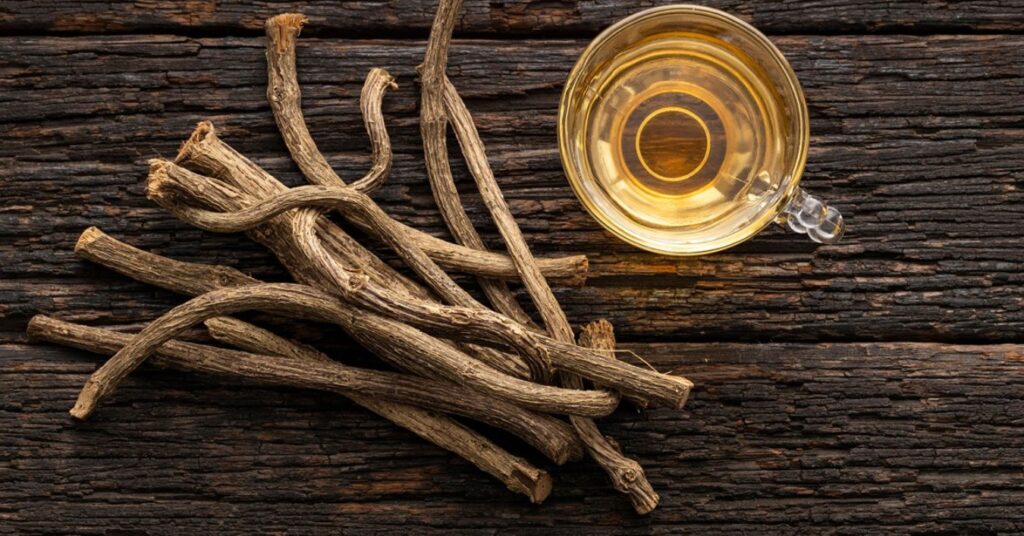
At some point, I wanted a clear practical guide, so I searched for the 10 most popular herbs used worldwide. Again and again, the same names appeared: basil, parsley, rosemary, thyme, oregano, mint, chamomile, ginger, turmeric, and sage. These herbs remain popular because they combine accessibility, safety, flavor, and proven traditional use. Therefore, beginners often start with this list, just like I did. Instead of trying dozens of unfamiliar plants, I focused on learning how to use these ten herbs effectively.
For cooking, I rely heavily on basil, oregano, rosemary, thyme, and parsley. Basil adds freshness to sauces and salads, oregano supports digestion while seasoning dishes, and rosemary enhances roasted vegetables and proteins. Meanwhile, thyme offers antimicrobial properties, and parsley provides vitamins and detox support. Because these herbs improve both taste and nutrition, they quickly became kitchen essentials. Over time, I realized that cooking with herbs reduced my need for excessive salt or artificial flavoring.
For health and teas, I frequently use chamomile, mint, ginger, turmeric, and sage. Chamomile helps me relax before sleep, mint soothes digestion after meals, ginger warms and energizes the body, turmeric supports immunity and inflammation control, and sage helps during sore throats or seasonal discomfort. Consequently, I keep these herbs stocked at home year-round. Through consistent use, I noticed stronger immunity, better digestion, and more restful sleep patterns.
Herbal Tea: How It Changed My Daily Routine
Among all herbal habits, herbal tea brought the most noticeable transformation to my routine. Initially, I replaced sugary drinks and excessive coffee with simple herbal infusions. Because herbal tea preparation feels quick and inexpensive, the change felt easy to maintain. Soon, I realized each herb offered a specific benefit. For example, ginger tea energizes my mornings, peppermint tea refreshes afternoons, and chamomile tea calms evenings. As a result, herbal tea naturally structured my day around healthier rhythms.
Moreover, herbal tea supports hydration while delivering gentle plant compounds. Unlike many caffeinated or processed drinks, herbal teas rarely overstimulate the nervous system. Therefore, I experienced fewer energy crashes, improved focus, and more stable moods. Whenever stress builds during busy workdays, preparing tea forces me to pause, breathe, and reset. Consequently, herbal tea improved not only my physical health but also my mental clarity.
Today, herbal tea represents a ritual rather than just a drink. Because I choose herbs based on how I feel, the process strengthens my awareness of my body. Additionally, the warmth, aroma, and preparation time create small daily moments of mindfulness. Since adopting this habit, I feel calmer, more hydrated, and more connected to natural wellness practices.
How I Started Using Natural Herbs Safely
At the beginning, I felt excited but cautious about herbs. Therefore, I decided to learn safe usage rules first. For example, I always research each herb’s recommended quantity, possible allergies, and interactions with medications. Additionally, I introduce one herb at a time instead of many at once. Because this gradual approach allows observation, I feel safer and more confident experimenting with herbal habits.
Another important lesson involved quality and freshness. Whenever possible, I choose organic herbs, trusted suppliers, or homegrown plants. Fresh herbs often contain stronger aroma, flavor, and beneficial compounds. When I switched from low-quality dried herbs to fresher options, I noticed immediate improvement in both taste and effectiveness. Consequently, I realized that herb quality directly affects results.
Finally, I learned to treat herbs as long-term health allies rather than miracle cures. While herbs offer powerful benefits, they work best alongside balanced nutrition, hydration, exercise, and sleep. Because of this understanding, I maintain realistic expectations and consistent habits. Over time, this balanced approach has delivered steady improvements without stress or disappointment.
Final Thoughts From Kamila Rocha
If someone asked me today, which natural herbs are essential for our health and how to use them, I would answer with confidence: start with common herbs, use them consistently, and pay attention to how your body responds. Natural herbs support health through daily integration, not occasional use. Therefore, patience and consistency matter most.
Additionally, I believe herbs teach us simplicity. Natural wellness does not require complicated routines or expensive products. Instead, small habits like adding basil to meals or drinking herbal tea at night gradually build healthier lifestyles. Whenever people begin this journey, they often discover benefits beyond physical health, including mindfulness and emotional balance.
My name is Kamila Rocha, and as I sit here typing this expanded story, I feel grateful for how natural herbs transformed my understanding of health. Through simple plants, I found sustainable habits, calmer routines, and stronger awareness of my wellbeing. Because of that journey, I truly believe natural herbs offer accessible, gentle support for anyone willing to explore them
Benefits
Discover the benefits of treating yourself with natural herbs.

Antibacterial and antiviral action
It is rich in carvacrol and thymol, compounds capable of fighting bacteria, fungi and some viruses. Therefore, many people use it to help treat:
Mild infections
Colds and flu
Sore throat

Turmeric helps reduce inflammation in the body, being useful for:
Joint pain
Arthritis
Tendinitis
Muscle inflammation

Strengthens the immune system
Propolis is one of the best natural immunomodulators.
It helps the body defend itself against:
Viruses
Bacteria
Fungi
Mild infections
Therefore, it is widely used in the prevention of colds and flu..