
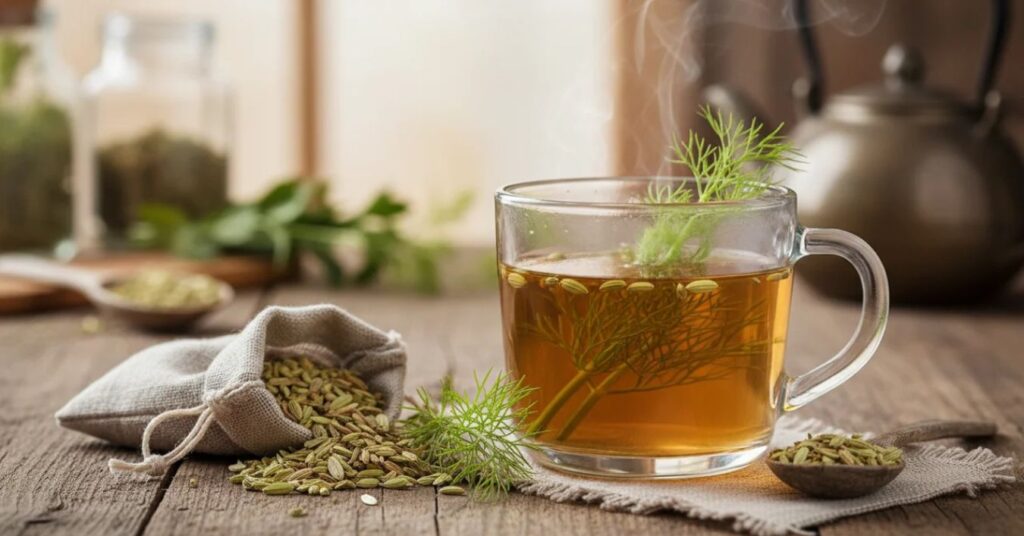
Fennel, what makes this herb so special? Check it out: I still remember the afternoon when I first paid real attention to fennel, because although I had seen fennel seeds in kitchens and herbal blends before, I never truly understood why so many people valued this plant; therefore, when a friend offered me a warm cup of fennel tea after a heavy meal, I accepted mostly out of curiosity rather than expectation. As soon as I smelled the slightly sweet, fresh aroma, I felt intrigued, and when I took the first sip, I noticed a gentle comforting sensation that felt both soothing and refreshing at the same time. Because that experience felt unexpectedly pleasant, I began wondering what makes fennel so special and whether its reputation matched real benefits.
Later that evening, I started researching fennel more deeply, since I enjoy understanding the science and tradition behind natural remedies. I learned that fennel belongs to the carrot family and that people have used its seeds, leaves, and bulb for centuries in cooking and herbal medicine. Because fennel contains natural plant compounds, essential oils, and digestive-supporting properties, many cultures rely on it for stomach comfort, relaxation, and overall wellness. As I connected those facts with my own experience after drinking the tea, I realized that fennel might offer more than just flavor; therefore, I decided to explore it consistently and observe how it affected my daily routine.
From that point forward, fennel slowly became part of my kitchen and self-care habits, and as I experimented with fennel tea, fennel seeds, and fennel in meals, I noticed subtle yet meaningful improvements in digestion comfort and relaxation. Because I like documenting my wellness experiences honestly, I, Kamila Rocha, started taking notes about how fennel made me feel, what I learned from research, and which routines worked best. That curiosity eventually inspired me to share my story so others can understand what truly makes fennel special and whether it might support their own health goals.
What are the benefits of fennel? What I learned and experienced
Naturally, my biggest question quickly became what are the benefits of fennel, since I wanted clarity beyond general claims. Through both research and personal use, I discovered that fennel supports digestive comfort first and foremost, because it helps reduce bloating sensations and encourages smoother digestion after meals. For example, whenever I drank fennel tea after lunch, I felt lighter and more comfortable, which helped me stay productive instead of sluggish.
Additionally, fennel offers calming properties that support relaxation, especially when consumed as tea in the evening. During stressful workdays, I noticed that sipping fennel tea created a gentle pause that helped me slow down mentally and breathe more calmly; therefore, it became not only a digestive helper but also a stress-relief companion. Because fennel contains antioxidants and natural plant nutrients, many people also associate it with supporting general wellness and immune resilience, which strengthened my motivation to keep using it regularly.
Moreover, I learned that fennel may support fresh breath, mild menstrual comfort, and hydration routines, especially when used consistently in tea form. While I experienced digestive and calming effects most strongly, I appreciated knowing that fennel offers a broad spectrum of supportive qualities. Consequently, I began viewing fennel not as a miracle cure but as a versatile herb that gently supports multiple aspects of daily well-being.
Why fennel felt different from other herbal teas
Although I enjoy many herbal teas, fennel felt unique because it balanced sweetness, warmth, and digestive support simultaneously. While chamomile helped me relax and mint helped refresh me, fennel seemed to combine comfort and clarity in one cup; therefore, it quickly earned a permanent place in my pantry.
Another reason fennel stood out involved its flexibility, since I could drink fennel tea after meals, before bed, or during quiet work moments without feeling overly sleepy or overstimulated. Because of that versatility, I never felt restricted to one specific time of day, which made it easier to maintain consistency.
Through these experiences, I realized that what makes fennel special does not rely on dramatic effects but rather on its gentle reliability. That steady support, combined with its pleasant taste and easy preparation, convinced me that fennel deserves far more attention than it usually receives in everyday wellness discussions.
Questions I Asked Before Making Fennel Tea a Habit
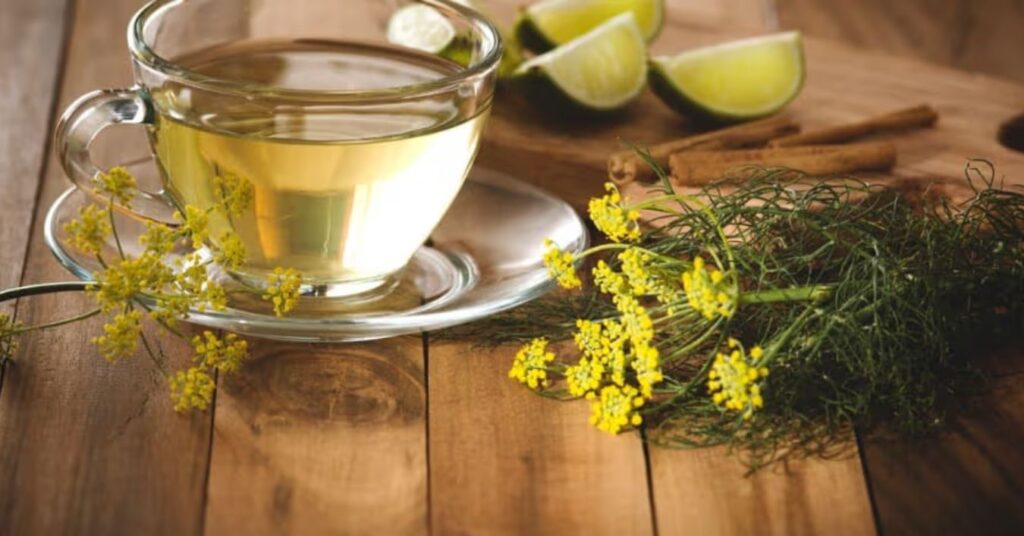
As fennel became more familiar to me, I wondered is fennel tea good before bed, because I prefer evening drinks that help me unwind without disrupting sleep. Therefore, I experimented by drinking fennel tea about an hour before bedtime while keeping the rest of my routine consistent.
During those evenings, I noticed that fennel tea created a gentle calming effect rather than strong sedation. My body felt relaxed, my stomach felt settled, and my mind transitioned more easily from busy thoughts to quiet reflection. Because digestion comfort often affects sleep quality, the tea helped me feel physically at ease, which naturally supported better rest. Consequently, fennel tea gradually became one of my favorite nighttime beverages.
However, I also learned that individual responses vary, since some people feel more energized by certain herbs. Therefore, I always recommend testing fennel tea earlier in the evening first, then adjusting timing based on personal comfort. For me, the tea worked beautifully as part of my bedtime ritual alongside reading and dim lighting.
Can people with high blood pressure drink fennel tea? What I discovered
Another important question I researched involved can people with high blood pressure drink fennel tea, since many readers ask about herbal safety in relation to cardiovascular health. From what I learned, fennel itself does not contain caffeine and many people include it in balanced diets; however, anyone managing blood pressure conditions should still consult a healthcare professional before adding new herbal routines.
Because individual medical situations differ widely, professional advice ensures safety and avoids interactions with medications or treatment plans. When I realized this, I appreciated how responsible wellness always combines natural habits with informed medical guidance. Therefore, whenever friends ask me about fennel tea and blood pressure, I emphasize checking with a doctor first rather than relying solely on general information.
That cautious approach helped me build trust in my own routine as well, since I knew I respected both natural remedies and professional guidance instead of choosing one over the other.
Moderation, preparation, and listening to my body
Before fully committing to fennel tea daily, I practiced moderation and observation, because even gentle herbs deserve mindful use. I began with one cup per day, usually after meals, and I paid attention to digestion comfort, sleep quality, and overall energy levels.
Since my body responded positively, I maintained that routine rather than increasing intake unnecessarily. Additionally, I noticed that preparing the tea properly improved both taste and experience. I simply poured hot water over crushed fennel seeds, covered the cup, and allowed it to steep for several minutes before straining. Because that method preserved aroma and flavor, the tea felt richer and more satisfying.
Through this process, I learned that herbal routines succeed best when they combine consistency, moderation, and awareness. That lesson shaped not only my fennel habit but also my broader approach to natural wellness.
How Fennel Became Part of My Lifestyle and What I Tell Others Today
After several weeks, fennel tea transformed from an occasional drink into a comforting ritual woven naturally into my day. Sometimes I drank it after meals to support digestion, while other times I enjoyed it at night to signal relaxation. Because the preparation felt simple and the flavor felt pleasant, maintaining the habit required almost no effort.
Moreover, the ritual itself created a moment of pause, since boiling water, inhaling the aroma, and sipping slowly encouraged mindfulness. That pause helped me disconnect briefly from screens and stress, which strengthened the calming effect beyond the tea’s physical properties.
As this routine stabilized, I realized that fennel’s true power lies not only in its herbal compounds but also in how it encourages small, consistent self-care moments throughout the day.
What I explain now when people ask about fennel benefits
Nowadays, whenever someone asks me what are the benefits of fennel, I answer based on both research and experience. I explain that fennel supports digestion comfort, gentle relaxation, and overall wellness while remaining easy to prepare and pleasant to drink. I also explain that fennel tea can work well before bed for many people, especially when part of a calming nighttime routine.
At the same time, I remind them to consider safety questions such as medical conditions or medications, since personalized advice always matters. Because honest information builds trust, I prefer sharing balanced guidance instead of exaggerated claims.
Through these conversations, I often notice how many people search for simple, natural ways to feel better daily. That realization reinforces my belief that herbs like fennel offer meaningful support precisely because they integrate easily into ordinary routines.
My final reflection as I type this story
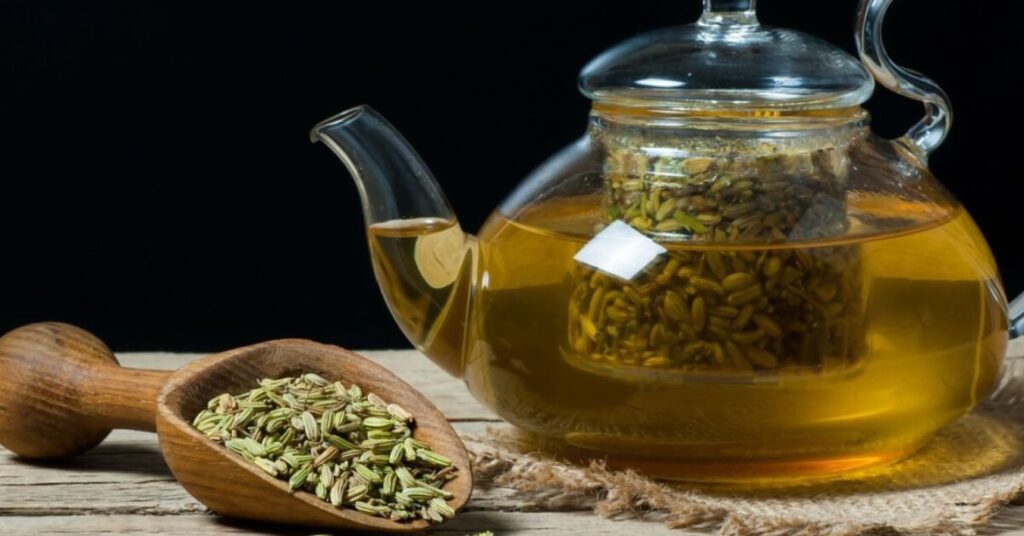
As I, Kamila Rocha, type this story now, I feel grateful that a simple cup of fennel tea opened the door to a deeper appreciation of gentle herbal wellness. Because I approached fennel with curiosity, patience, and consistency, I discovered benefits that felt subtle yet reliable, and those steady improvements shaped a healthier daily rhythm.
If you consider trying fennel yourself, start simply, prepare it thoughtfully, and observe how your body responds. Combine the tea with balanced habits, calm evenings, and mindful pauses, and allow its effects to develop naturally. When used consistently, fennel can become a small yet powerful ally for digestion, relaxation, and overall comfort.
For me, fennel represents more than just an herb — it represents the reminder that simple natural habits often create the most lasting wellness changes, one warm cup at a time.