

I’m Kamila Rocha, and as I sit here writing this, I feel a deep sense of responsibility to share what I have discovered over the years about medicinal herbs. For a long time, I heard people talk about oregano, lemongrass, boldo tea, rosemary, Aloe vera, lemon balm tea, chamomile tea, mint, Peruvian maca, valerian tea, yam, beetroot tea, ginger, garlic, and turmeric. However, at first, I questioned everything. I wanted proof. I wanted science. Most importantly, I wanted to understand whether these natural remedies truly worked or whether people simply believed in them because of tradition.
Because of that curiosity, I began a journey that completely changed my perspective. Instead of relying on opinions, I started reading scientific studies, analyzing clinical research, and testing many of these herbs in my own routine. As a result, I realized something powerful: science does not reject medicinal herbs. On the contrary, science increasingly validates their effects when used correctly.
Analyzing our study source: Therefore, in this article, I will show you exactly what science says about each of these herbs. At the same time, I will share my personal experience so you can understand how these natural solutions can truly impact your health.
Oregano and Garlic: Small Leaves, Powerful Science
At first, I underestimated oregano. After all, most people use it only as a seasoning. However, once I started researching, I quickly realized that oregano contains compounds like carvacrol and thymol. These compounds show strong antimicrobial and anti-inflammatory effects.
Because of these properties, studies demonstrate that oregano can help fight harmful bacteria and support immune health. In fact, researchers observed that oregano oil can inhibit the growth of several pathogens. Therefore, when I started incorporating oregano into my daily meals, I noticed fewer digestive issues and better overall wellness.
Similarly, garlic completely impressed me. While many people know garlic for its strong smell, I discovered that it contains allicin, a compound with powerful cardiovascular benefits. Research shows that garlic can help reduce blood pressure and improve cholesterol levels.
As I continued using garlic regularly, I felt more energetic. In addition, I noticed that my immune system became stronger, especially during seasonal changes. Because of that, I now consider garlic one of the most essential natural remedies in my routine.
Ginger and Turmeric: Natural Anti-Inflammatory Powerhouses
As I deepened my research, I focused on ginger and turmeric. Interestingly, both herbs have been widely studied for their anti-inflammatory and antioxidant effects.
Ginger, for example, contains gingerol, which helps reduce inflammation and improve digestion. Because of that, many studies show that ginger can relieve nausea, support gut health, and even reduce muscle pain. When I started drinking ginger tea regularly, I noticed immediate improvements in digestion and less bloating.
At the same time, turmeric amazed me even more. Turmeric contains curcumin, a compound that scientists have studied extensively. Research shows that curcumin can reduce inflammation, support brain health, and even help prevent chronic diseases.
Therefore, I began adding turmeric to my meals and drinks. Over time, I felt less joint discomfort and more overall balance in my body. Because of these results, I strongly believe turmeric deserves its reputation as a super herb.
Lemongrass and Lemon Balm Tea: Calmness Supported by Science
While exploring herbs for relaxation, I discovered lemongrass and lemon balm tea. Initially, I only wanted something to help me unwind after long days. However, science revealed much more than simple relaxation.
Lemongrass contains compounds that support digestion and reduce anxiety. Studies suggest that it may help lower stress levels by influencing the nervous system. Because of that, when I started drinking lemongrass tea at night, I experienced deeper and more restful sleep.
Likewise, lemon balm tea quickly became one of my favorites. Research shows that lemon balm can reduce anxiety, improve mood, and enhance cognitive performance. When I included it in my routine, I noticed that I felt calmer and more focused throughout the day.
Therefore, these herbs do more than provide comfort. They actively support mental and emotional health in a scientifically supported way.
Chamomile Tea and Valerian Tea: Natural Sleep Support That Works
For a long time, I struggled with sleep. Because of that, I decided to test chamomile tea and valerian tea. At first, I remained skeptical. However, science quickly changed my mind.
Chamomile contains apigenin, a compound that binds to receptors in the brain and promotes relaxation. Studies confirm that chamomile can improve sleep quality and reduce insomnia symptoms. When I started drinking chamomile tea before bed, I fell asleep faster and woke up feeling refreshed.
At the same time, valerian tea showed even stronger effects. Researchers have studied valerian root for its ability to improve sleep and reduce anxiety. Because of its interaction with the nervous system, valerian helps calm the mind naturally.
Although valerian has a strong taste, I continued using it because the results felt undeniable. Therefore, I now recommend both chamomile tea and valerian tea as natural alternatives for better sleep.
Mint and Rosemary: Brain and Digestion Boosters
As I continued my journey, I explored mint and rosemary. Surprisingly, both herbs offer benefits that go beyond their refreshing flavors.
Mint supports digestion and helps relieve symptoms like bloating and discomfort. Studies show that peppermint oil can relax the digestive tract, which improves gut function. Because of that, I started drinking mint tea after meals, and I noticed immediate relief.
Meanwhile, rosemary impressed me with its cognitive benefits. Research suggests that rosemary can improve memory and concentration. In fact, some studies show that its aroma alone can enhance mental performance.
Because I work long hours writing and researching, I began using rosemary in my meals and even as an essential oil. As a result, I felt more focused and mentally sharp throughout the day.
Aloe Vera: More Than Skin Deep
Initially, I associated Aloe vera only with skincare. However, when I explored scientific studies, I discovered that Aloe vera offers internal health benefits as well.
Research shows that Aloe vera can support digestion, reduce inflammation, and promote gut health. Because of its soothing properties, it may help individuals with digestive discomfort.
When I started consuming Aloe vera juice in moderation, I noticed improvements in my digestion and skin appearance. Therefore, Aloe vera became a versatile part of my wellness routine.
Expanding My Discoveries: Metabolism, Hormones, and the Hidden Power of Natural Herbs
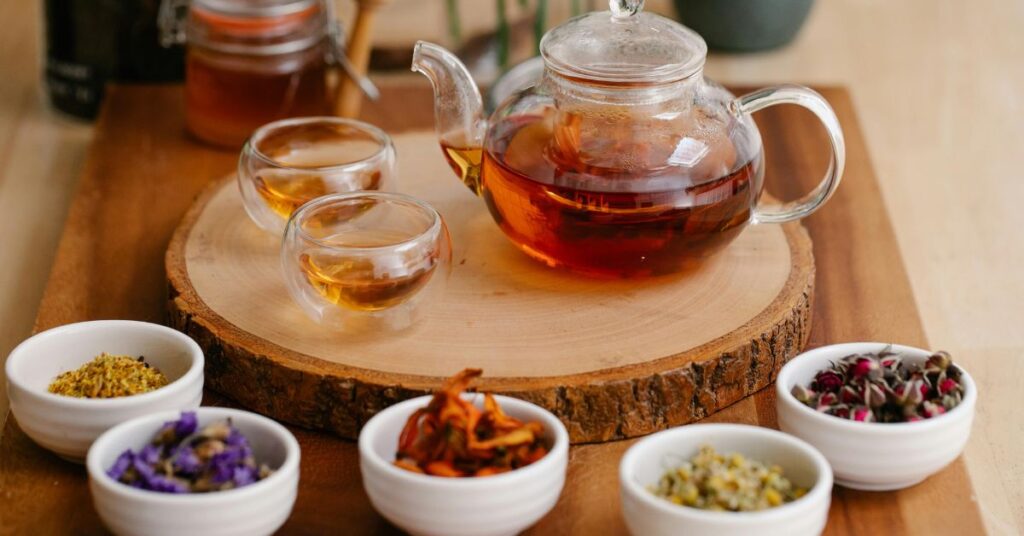
As I continued my journey researching medicinal herbs, I realized something even more fascinating. While many people focus only on digestion, sleep, or immunity, several herbs actually influence deeper systems in the body, such as metabolism, hormonal balance, and detoxification. Because of that, I decided to explore boldo tea, beetroot tea, yam, and Peruvian maca more deeply. At the same time, I carefully analyzed scientific studies to understand how these herbs truly work beyond surface-level benefits.
Therefore, in this part of my journey, I will show you how these natural remedies go far beyond simple wellness trends. In fact, they interact with some of the most important systems in the human body.
Boldo Tea: Liver Support Backed by Science
At first, I heard about boldo tea as a simple digestive remedy. However, once I started studying it, I quickly discovered that boldo plays a much more significant role, especially in liver health.
Boldo contains active compounds such as boldine, which scientists recognize for its antioxidant and hepatoprotective properties. In other words, boldo helps protect liver cells from damage while also supporting detoxification processes. Because the liver acts as the body’s main filter, this function becomes extremely important for overall health.
As I continued my research, I found studies showing that boldine can reduce oxidative stress in liver tissues. This matters because oxidative stress contributes to inflammation and chronic disease. Therefore, by reducing this stress, boldo may help maintain proper liver function over time.
When I started drinking boldo tea occasionally after heavier meals, I noticed that my digestion improved significantly. In addition, I felt less bloated and more balanced. Because of that, I now understand why traditional medicine has relied on boldo for generations.
Beetroot Tea: Circulation, Energy, and Scientific Evidence
Next, I explored beetroot tea, which surprised me in ways I did not expect. Initially, I thought of beetroot only as a food. However, science shows that it offers powerful cardiovascular and performance benefits.
Beetroot contains nitrates, which the body converts into nitric oxide. This compound helps relax blood vessels, improve circulation, and enhance oxygen delivery throughout the body. Because of that, many studies link beetroot consumption to improved athletic performance and lower blood pressure.
When I began drinking beetroot tea regularly, I noticed a steady increase in my energy levels. Instead of feeling tired during the day, I felt more active and focused. Additionally, I experienced better endurance during physical activities.
Furthermore, research suggests that improved blood flow also supports brain health. Therefore, beetroot does not only benefit the body physically but also contributes to cognitive function. Because of these combined effects, I now consider beetroot tea a powerful ally for both energy and long-term health.
Yam: Hormonal Balance and Nutritional Strength
As I moved deeper into my research, I discovered yam, a root that many people overlook. However, once I analyzed its nutritional profile and scientific relevance, I realized that yam plays an important role in hormonal health.
Yam contains compounds known as diosgenin, which researchers study for its potential effects on hormone regulation. Although the body does not directly convert diosgenin into hormones, it may influence hormonal pathways indirectly.
Because of that, traditional medicine often uses yam to support women’s health, especially during hormonal transitions. In addition, yam provides essential nutrients such as fiber, vitamins, and antioxidants, all of which contribute to overall balance in the body.
When I incorporated yam into my diet more frequently, I noticed improvements in my energy stability and general well-being. Although the effects felt subtle at first, they became more noticeable over time.
Therefore, yam demonstrates how natural foods and herbs can support the body in a gradual yet meaningful way.
Peruvian Maca: Energy, Hormones, and Adaptogenic Science
Among all the herbs I researched, Peruvian maca stood out as one of the most fascinating. Known as an adaptogen, maca helps the body adapt to stress and maintain internal balance.
Scientific studies show that maca may improve energy levels, enhance mood, and support hormonal health. Unlike stimulants, which create temporary spikes in energy, maca works more gradually by supporting the endocrine system.
Because of that, many researchers associate maca with improved stamina, mental clarity, and even reproductive health. Additionally, studies suggest that maca may help reduce symptoms related to stress and fatigue.
When I started using Peruvian maca in my daily routine, I felt a noticeable difference in my energy and focus. Instead of experiencing sudden crashes, I maintained a steady level of productivity throughout the day.
Moreover, I felt more emotionally balanced, especially during stressful periods. Therefore, maca quickly became one of the most valuable additions to my routine.
Detoxification and Internal Balance: How These Herbs Work Together
As I continued learning, I realized something incredibly important. These herbs do not work in isolation. Instead, they often complement each other, creating a more comprehensive approach to health.
For example, boldo supports the liver, while beetroot improves circulation. At the same time, yam and maca contribute to hormonal balance. Because of that, combining these herbs strategically can enhance their overall effectiveness.
From a scientific perspective, this synergy aligns with the concept of multi-target therapy. Instead of focusing on one single pathway, herbal combinations influence multiple systems simultaneously. Therefore, they provide a more holistic approach to wellness.
When I began combining some of these herbs in my routine, I noticed a deeper sense of balance. My digestion improved, my energy stabilized, and my overall health felt more consistent.
The Role of Antioxidants in These Herbs
Another key discovery in my journey involved antioxidants. Almost all the herbs I studied contain high levels of antioxidant compounds, which play a crucial role in protecting the body from damage.
Oxidative stress occurs when there is an imbalance between free radicals and antioxidants. Over time, this imbalance can contribute to aging and chronic diseases. However, herbs like beetroot, boldo, and maca help counteract this process.
Because of their antioxidant properties, these herbs support cellular health and reduce inflammation. As a result, they contribute to long-term wellness and disease prevention.
When I understood this mechanism, I realized that these herbs do not just provide short-term benefits. Instead, they support the body at a deeper, cellular level.
Why Consistency Matters More Than Instant Results
During my journey, I also learned an important lesson about expectations. Unlike synthetic medications, which often produce immediate effects, natural herbs usually work gradually.
Because of that, consistency becomes essential. When I first started using these herbs, I did not see dramatic results overnight. However, as I continued, the benefits became more noticeable and sustainable.
Scientific research supports this idea. Many herbal compounds require time to build up in the body and influence biological processes. Therefore, regular use often leads to better outcomes than occasional use.
This understanding changed my mindset completely. Instead of looking for quick fixes, I began focusing on long-term health improvements.
My Personal Turning Point With Natural Herbs
At this stage of my journey, everything started to connect. I no longer saw herbs as isolated remedies. Instead, I understood them as part of a larger system that supports the body naturally.
Because of the scientific evidence and my personal experience, I gained confidence in using these herbs responsibly. I also realized that natural medicine does not replace modern medicine but can complement it effectively.
This balance became the foundation of my approach to health. I now combine knowledge, science, and tradition to make better decisions for my well-being.
As I reach this final part of my journey, I feel more confident than ever about what science says regarding medicinal herbs. Throughout my research and personal experience, I explored oregano, lemongrass, boldo tea, rosemary, Aloe vera, lemon balm tea, chamomile tea, mint, Peruvian maca, valerian tea, yam, beetroot tea, ginger, garlic, and turmeric. However, beyond simply listing their benefits, I focused on understanding how they truly work inside the body.
Because of that, I realized something extremely important. These herbs do not act like quick-fix solutions. Instead, they work gradually, supporting the body’s natural processes over time. Therefore, when used consistently and responsibly, they can create long-lasting improvements in overall health.
At the same time, science continues to validate many of these effects. Researchers consistently identify anti-inflammatory, antioxidant, antimicrobial, and adaptogenic properties across these herbs. Because of these findings, the gap between traditional knowledge and modern science continues to shrink.
Why These Medicinal Herbs Continue to Gain Scientific Attention

As I continued studying, I noticed a clear pattern. Scientists increasingly focus on plant-based compounds because they offer complex biological interactions that synthetic drugs often cannot replicate.
For example, oregano, garlic, and ginger demonstrate strong antimicrobial and anti-inflammatory effects. Meanwhile, turmeric continues to gain attention for its role in reducing chronic inflammation. At the same time, herbs like rosemary and mint support cognitive function and digestion.
Additionally, calming herbs such as chamomile tea, lemon balm tea, and valerian tea show consistent results in improving sleep and reducing anxiety. Because modern lifestyles often increase stress levels, these natural solutions become even more relevant.
Furthermore, metabolic and hormonal herbs such as Peruvian maca, yam, beetroot tea, and boldo tea contribute to deeper physiological balance. Because of that, these herbs support not only surface-level wellness but also internal systems such as circulation, detoxification, and hormonal regulation.
Therefore, when I look at the scientific landscape today, I clearly see that medicinal herbs are no longer considered outdated. Instead, they represent a growing field of research with real potential.
The Synergy Between Traditional Knowledge and Modern Science
Another key realization shaped my understanding completely. Traditional medicine and modern science do not compete with each other. Instead, they complement each other in powerful ways.
For centuries, people used herbs like Aloe vera, ginger, garlic, and chamomile tea based on observation and experience. However, today, scientists analyze these same herbs using advanced technology. As a result, they confirm many of the benefits that traditional healers already understood.
Because of this synergy, I began to trust natural remedies more. At the same time, I remained careful and informed, always considering scientific evidence and proper usage.
This balanced approach allowed me to experience the benefits of these herbs without relying on myths or exaggerated claims. Therefore, I encourage anyone reading this to adopt the same mindset.
Frequently Asked Questions About Medicinal Herbs
Yes, many medicinal herbs such as turmeric, ginger, garlic, and chamomile tea contain bioactive compounds supported by scientific research. However, results depend on consistent use, quality, and proper dosage.
Start slowly by introducing simple herbs like chamomile tea, mint, or ginger into your daily routine. Always observe how your body reacts and consult a healthcare professional if you have any medical conditions.
Yes, combining herbs often enhances their benefits due to their synergistic effects. For example, turmeric, ginger, and garlic work well together to support inflammation control and immune health.
Some herbs like valerian tea or chamomile tea may show quick calming effects. However, most herbs require consistent use over days or weeks to provide noticeable health improvements.
In most cases, yes. Teas like lemon balm, mint, and chamomile are safe in moderate amounts. However, excessive consumption or specific conditions may require medical advice.
Yes, herbs such as chamomile tea, valerian tea, and lemon balm tea are known for their calming properties and can help improve sleep quality and reduce anxiety levels.
Mint, ginger, and boldo tea are excellent for digestion. They help reduce bloating, improve gut function, and support liver health.
Yes, herbs like beetroot tea and Peruvian maca can improve energy levels, circulation, and metabolic function when used regularly.
Herbs do not replace medications. Instead, they complement a healthy lifestyle and may support certain conditions. Always consult a professional before replacing any treatment.
You can include herbs through teas, cooking, supplements, or natural extracts. Start with simple habits like drinking herbal tea or adding spices like turmeric and oregano to meals.